Monthly Archives: April 2025

Pressure, Perfection, and Pain: The Addiction Epidemic Among the Elite

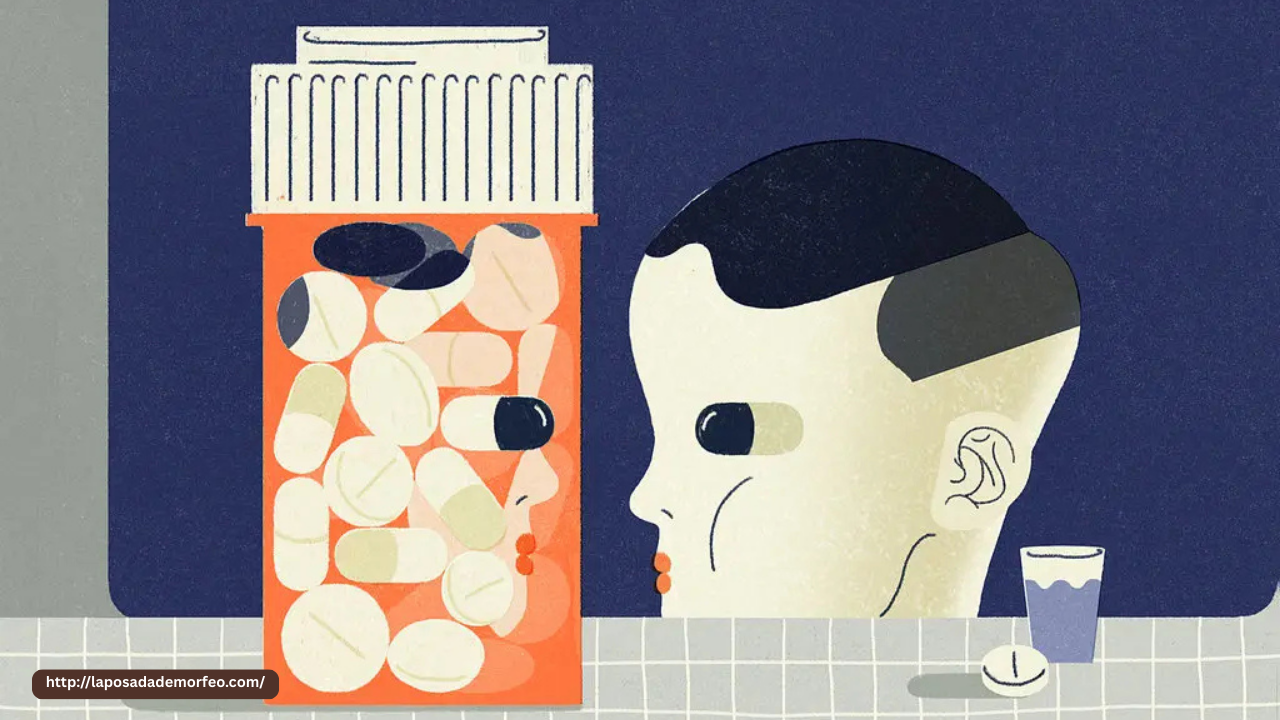
In the world of high-status careers, fame, wealth, and success often seem to be the ultimate goal. Celebrities, business moguls, athletes, and political figures are frequently celebrated for their achievements, often becoming the epitome of accomplishment. However, the reality behind their public personas is far more complex and fraught with struggles that many are hesitant to reveal. Addiction, which thrives in environments defined by extreme pressure and expectations, has become a silent epidemic among the elite.

The Weight of Expectations

The most noticeable characteristic of high-profile careers is the immense pressure to succeed. For the elite, every achievement is expected to be followed by an even greater one. There is little room for failure, and when mistakes occur, they are often magnified under the harsh gaze of the public. This constant need to perform and exceed expectations creates not only physical but also mental strain. Anxiety, stress, and feelings of inadequacy are common, and rather than seek help or respite, many individuals turn to substances to cope with the overwhelming demands of their lives.

Perfection as a Double-Edged Sword

The pursuit of perfection is a hallmark of success. In industries like entertainment, business, and sports, achieving an idealized image is often what defines success. Yet, the quest for perfection can quickly turn toxic. High-profile individuals are constantly striving to maintain flawless appearances, whether it’s in their professional achievements, their relationships, or their public image. However, this pressure to be perfect at all times can lead to burnout. As these individuals fail to meet their own impossibly high standards, they may experience profound feelings of inadequacy, self-doubt, and frustration. For many, these feelings trigger destructive coping mechanisms like substance abuse, which provide temporary relief from the internal turmoil caused by the relentless pursuit of perfection.

The Hidden Pain of Success

While fame and wealth are often seen as the ultimate reward for hard work, they come with significant emotional costs. The world of the elite is one of intense isolation, where relationships are strained by the demands of work and the fear of vulnerability. The constant scrutiny of the media, the pressure to maintain an idealized image, and the lack of privacy contribute to a sense of loneliness. Despite being surrounded by fans, colleagues, and admirers, many of these high-profile individuals feel emotionally disconnected, which can lead to a sense of emptiness. This emotional void often drives them to seek solace in substances, numbing their pain in an attempt to fill the gap left by their inability to form deep, authentic connections.

Addiction as a Coping Mechanism

For many in the public eye, addiction begins as a way to cope with the stresses of their professional lives. Long hours, demanding expectations, and the constant pressure to perform can leave individuals mentally and physically drained. Some turn to stimulants to keep up, while others seek relief in alcohol or drugs. The availability of substances is often a contributing factor, as many in high-profile careers have access to resources that the average person does not. Over time, however, this coping mechanism can spiral into dependency, taking a devastating toll on their health, relationships, and careers.

Breaking Free from the Cycle

Recovery from addiction in the elite world is not easy, especially given the stigma surrounding it. However, many public figures have found redemption through therapy, rehab, and a renewed focus on mental health. Overcoming addiction requires confronting the deep-seated pressures that fuel it, and learning to prioritize well-being over the demands of external validation.

Conclusion

The addiction epidemic among the elite is a direct result of the pressure, perfection, and emotional pain that come with high-profile lives. While fame and success may appear to be the ultimate rewards, they often mask the intense psychological and emotional struggles faced by those who live in the spotlight. Breaking free from addiction requires acknowledging the true cost of success and seeking support for the mental health challenges that are often overlooked in the pursuit of perfection.

From Fame to Fallout: The Dark Side of a High-Profile Life

Fame is often viewed as the pinnacle of success—a life filled with wealth, admiration, and endless opportunities. But for many who have reached the top, the reality is far from the dream. Beneath the surface of applause and accolades lies a hidden world of stress, isolation, and vulnerability. For some, the journey from fame to fallout is marked by personal struggles, public breakdowns, and battles with addiction.

The Illusion of Glamour

High-profile lives are wrapped in a glossy veneer. Red carpet appearances, luxurious vacations, and designer wardrobes are the norm. However, this glamour often serves as a mask, concealing internal battles and emotional pain. The pressure to maintain a perfect image can become overwhelming, especially when every move is watched and judged by millions. Fame can create a reality where authenticity is sacrificed for the sake of reputation.

The Cost of Constant Attention

Living in the spotlight means having little to no privacy. Celebrities and public figures are under constant surveillance by the media and the public. Every mistake is magnified, every misstep turned into a scandal. This unrelenting scrutiny can lead to intense stress and anxiety, causing many to feel trapped in their own lives. The fear of public humiliation can push individuals to hide their pain rather than seek help.

The Fall into Addiction

The emotional strain of fame can lead to unhealthy coping mechanisms. Drugs and alcohol become tools to numb pain, ease anxiety, and escape reality. With access to nearly anything they want, many high-profile individuals find themselves slipping into addiction without immediate consequences. Over time, what started as occasional use spirals into dependency, affecting their health, relationships, and careers.

The Role of Enablers and Isolation

Fame often attracts people who are more interested in proximity to power than genuine friendship. These enablers may support destructive behaviors or turn a blind eye to addiction in fear of losing their access or status. Genuine relationships become rare, and isolation grows. Loneliness, combined with constant pressure and superficial relationships, can deepen emotional wounds, making recovery even harder.

The Public Breakdown

When the private struggles of a public figure become public knowledge, it often results in a very visible and painful fall from grace. Rehab stints, arrests, or erratic behavior are broadcasted to the world, turning personal crises into tabloid fodder. The stigma attached to mental health and addiction only worsens the fallout, making it difficult for individuals to rebuild both their lives and their public image.

Recovery and Redemption

While the fall from fame can be devastating, recovery is possible. Many who have experienced the dark side of fame eventually find strength in vulnerability. By speaking openly about their struggles, they help destigmatize addiction and mental health issues. Redemption comes not from reclaiming fame, but from rediscovering peace, purpose, and personal truth.

Conclusion

The journey from fame to fallout reveals the high cost of living in the spotlight. Behind the allure of celebrity status is a world fraught with emotional challenges and hidden battles. True fulfillment comes not from external validation but from inner healing, authenticity, and the courage to confront one’s struggles head-on.

Luxury & Loneliness: Why High-Profile Lives Lead to Addiction

To the outside world, a high-profile life is the epitome of success. Celebrities, business moguls, and influencers are often envied for their wealth, fame, and luxurious lifestyles. Yet, beneath the glamour lies an unsettling reality: loneliness, pressure, and a growing susceptibility to addiction. The paradox of having everything yet feeling emotionally empty is a significant contributor to substance abuse among those in the spotlight.

The Isolation Behind Success

Success often comes at the cost of true personal connections. High-profile individuals live in a world where trust is fragile, and relationships can feel transactional. Constantly surrounded by fans, business associates, or employees, they may struggle to find genuine companionship. The inability to form meaningful relationships creates an emotional void, leading many to seek solace in drugs, alcohol, or other addictive behaviors.

The Pressure to Maintain an Image

For public figures, maintaining a flawless image is not just a desire but a necessity. They must uphold a persona of confidence, happiness, and success—regardless of their personal struggles. Social media magnifies this pressure, creating a reality where vulnerability is frowned upon. Rather than admitting to stress, anxiety, or depression, many turn to substances as an escape from the overwhelming burden of expectations.

Unchecked Access to Substances

Unlike the average person, those in high-profile positions have unlimited access to drugs, alcohol, and enablers who facilitate their habits. Lavish parties, exclusive events, and industry connections provide an environment where substance use is not only normalized but encouraged. With wealth comes the ability to sustain addiction without facing immediate financial consequences, making it easier to fall into destructive patterns.

The Lack of Privacy and Constant Scrutiny

The constant presence of paparazzi, media, and public judgment adds another layer of stress to high-profile lives. Any personal struggle, rehab visit, or relapse is publicized and often sensationalized. The fear of being judged or labeled weak prevents many from seeking help. Instead, they continue their substance use in secret, deepening the cycle of addiction.

The Psychological Toll of Success

While many aspire to wealth and fame, few consider the mental and emotional burdens that come with it. The fear of losing status, the need for continuous reinvention, and the expectation to be a role model take a toll on mental health. Anxiety, depression, and imposter syndrome are common among high achievers, making substance use a tempting escape from emotional distress.

Finding a Way Out

Breaking free from addiction requires acknowledging the emotional void that fuels it. Therapy, strong support systems, and lifestyle changes are essential steps toward recovery. Some high-profile individuals have found healing through mindfulness, charitable work, and open discussions about mental health. Recognizing that luxury does not equate to happiness is the first step toward a more balanced, addiction-free life.

Conclusion

Luxury and loneliness often go hand in hand, making addiction a prevalent struggle in high-profile circles. While fame and wealth provide comfort, they do not fulfill emotional needs. True well-being comes from authenticity, meaningful relationships, and prioritizing mental health over public perception. Breaking the cycle of addiction requires courage, support, and the understanding that success should never come at the cost of self-destruction.