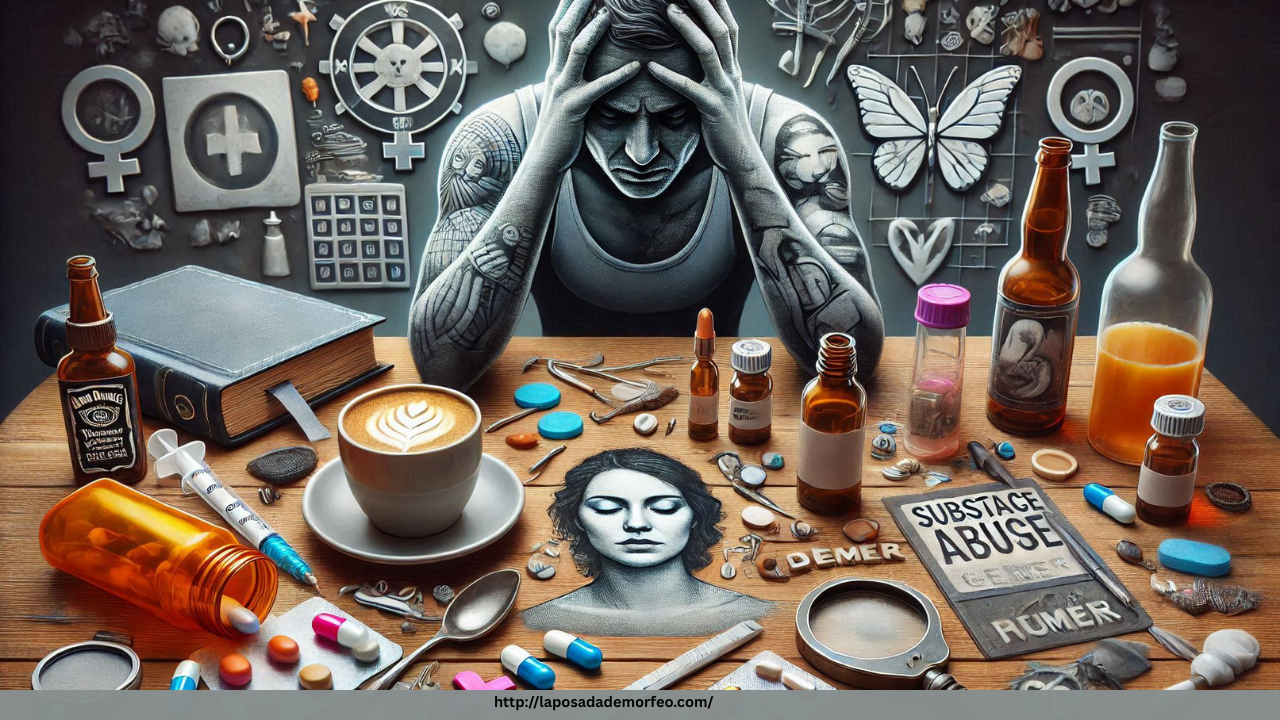
In the pursuit of power, recognition, and status, many high-profile individuals find themselves entangled in a darker pursuit: the chase for an emotional or chemical high that mirrors the thrill of success. When status becomes the defining feature of a person’s identity, substance abuse often creeps in as both an escape and a supplement to the emotional extremes that come with a high-achieving lifestyle. This intersection of ambition and addiction is not only common—it’s dangerous.
The Allure of Success, the Void of Fulfillment
From the outside, success looks like the solution to life’s problems. Fame, money, influence, and adoration are assumed to bring happiness. But for many at the top, these rewards do not fill the emotional void they hoped would disappear. Instead, once they’ve “made it,” a new crisis emerges: what now? The emotional high of reaching a long-desired goal fades quickly, and with it comes restlessness, dissatisfaction, or even depression.
To fill that gap, some chase another type of high—one that comes in the form of drugs, alcohol, or risky behaviors. The rush of using substances can simulate the thrill of achievement, albeit temporarily, leading to a cycle of dependency where the individual constantly seeks the next fix, both in career and in chemical form.
The Pressure to Stay on Top
In high-stakes careers, status isn’t just earned—it has to be defended constantly. The fear of falling from grace or becoming irrelevant pushes individuals to their limits. In this nonstop race to remain successful, many neglect their mental and physical health. Substances may become a way to stay awake longer, work harder, relax faster, or escape stress altogether. What starts as a performance enhancer or a stress-reliever can quickly become a crutch.
The problem is exacerbated by enablers—people who benefit from keeping the status quo, even if it includes self-destructive behaviors. Whether it’s an assistant who turns a blind eye or a friend who supplies drugs at parties, the elite often find themselves surrounded by people who encourage, rather than confront, their substance use.
Image Over Integrity
Public figures are under immense pressure to maintain a curated image. Admitting vulnerability, especially around addiction, can be seen as a threat to their brand. The fear of stigma or public backlash prevents many from seeking help. Instead, they mask their pain with more substance use, hiding their struggles behind designer clothes, red carpet smiles, and polished interviews.
The deeper the addiction becomes, the harder it is to break free—especially when so much of one’s identity is wrapped up in appearing perfect. The shame of struggling with addiction, paired with the fear of judgment, keeps many locked in a dangerous cycle.
Breaking the Pattern
True healing begins with the courage to prioritize health over status. More and more high-profile individuals are speaking openly about their battles with addiction, helping to destigmatize the issue. Recovery is not a sign of weakness, but of strength—a recognition that chasing the high will never compare to finding peace within.
Conclusion
When status and substance abuse collide, the results can be devastating. The illusion of success often masks deep emotional pain, and in the pursuit of external highs, many lose themselves. It’s time to recognize that real success is not measured by public acclaim, but by inner stability, genuine connection, and the freedom to live authentically—without the need for a chemical high.