Living in the public eye often means living behind a mask. Celebrities, influencers, athletes, and other high-profile individuals are expected to project confidence, charm, and control at all times. Yet beneath the polished image, many struggle with personal demons—addiction being one of the most common and most stigmatized. Healing from addiction is a deeply personal journey, but for those in the spotlight, it becomes a public performance as well. Breaking free from the persona is not only difficult—it’s courageous.
The Mask of Perfection
In the world of fame and influence, image is everything. Public figures often create and maintain personas that meet societal expectations: successful, unshakable, happy. This image is carefully curated, whether through interviews, social media, or red carpet appearances. But addiction thrives in secrecy, and the more a person hides their pain behind a mask, the more it grows.
The pressure to maintain a flawless facade can lead to denial, shame, and isolation. Admitting to addiction can feel like admitting failure—especially in a world that confuses vulnerability with weakness. For many, the fear of tarnishing their brand or losing fans keeps them from seeking help early on.
The Turning Point
Recovery often begins at a breaking point—a public incident, a failed relationship, a health scare, or a moment of painful self-realization. For public figures, this turning point is rarely private. Their struggles are often exposed in headlines, gossip columns, or viral videos. While public exposure can be humiliating, it can also serve as a powerful catalyst for change.
Some use this exposure as an opportunity to be honest, not just with others but with themselves. In confronting their truth openly, they take the first bold step toward healing: dropping the persona and embracing authenticity.
The Power of Vulnerability
While recovery in the public eye is difficult, it also has the power to inspire. When high-profile individuals speak out about their addiction and journey to sobriety, they challenge stigma and offer hope to others silently struggling. Vulnerability becomes a strength, not a liability.
By sharing their experiences, public figures not only reclaim their own narratives but also normalize conversations around mental health and addiction. In doing so, they contribute to a broader cultural shift—one that values honesty and healing over perfection.
Building a New Identity
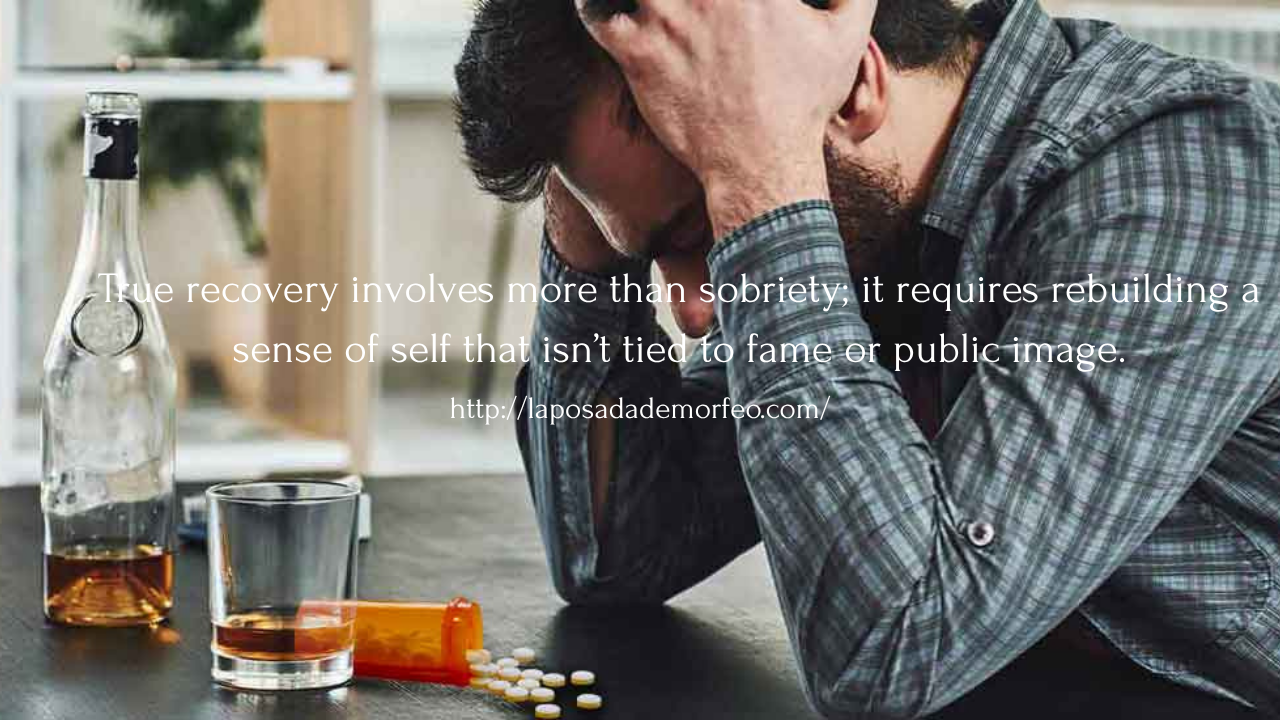
True recovery involves more than sobriety; it requires rebuilding a sense of self that isn’t tied to fame or public image. This means forming genuine relationships, setting boundaries, and finding purpose beyond the applause. Some step back from the spotlight, others use their platform for advocacy—but all must redefine what success and fulfillment mean on their own terms.
Conclusion
Breaking free from the persona is one of the hardest yet most liberating steps a public figure can take. Addiction does not discriminate, and neither should compassion. By shedding the mask and choosing recovery, those in the public eye remind us all that healing is possible—and that authenticity is far more powerful than perfection.