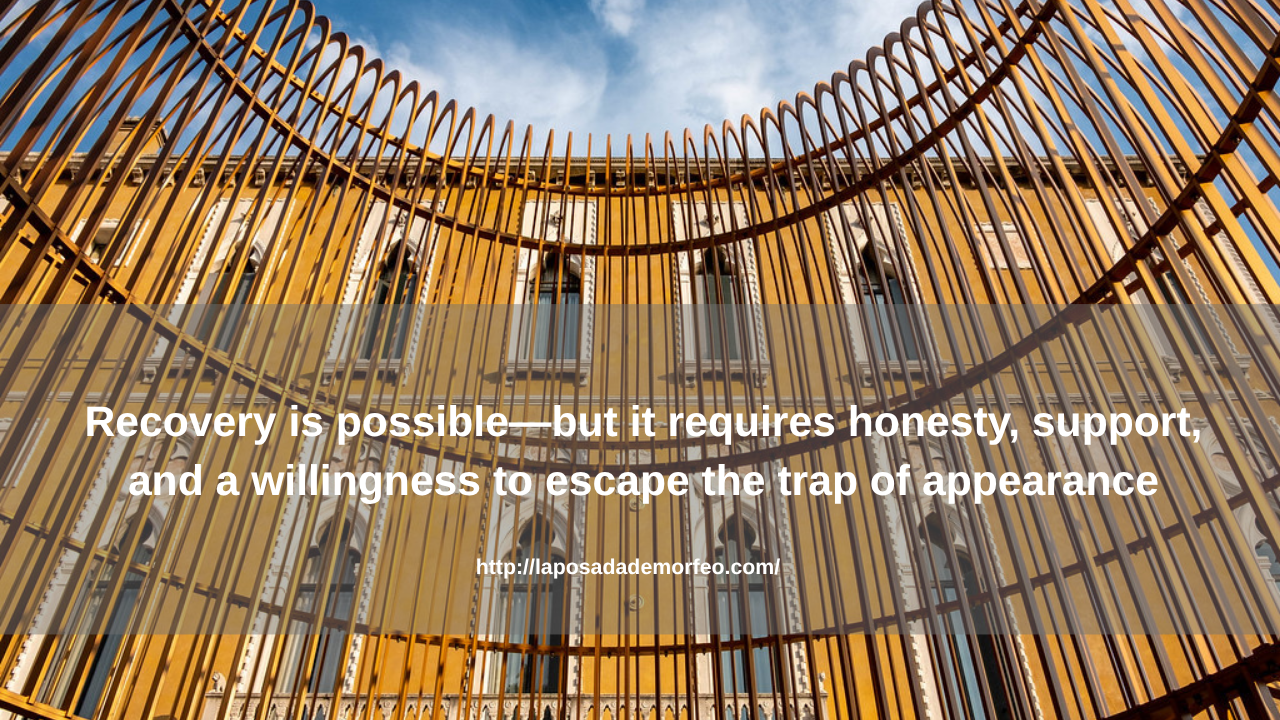
Luxury is often seen as the ultimate prize—an enviable life of comfort, excess, and indulgence. From sprawling mansions and exotic vacations to designer wardrobes and VIP access, the world of wealth promises freedom. But behind the polished surfaces and red carpet appearances lies a harsher truth: luxury, when paired with isolation and pressure, can become a gilded cage—one where substance abuse silently thrives.
The Myth of Happiness Through Wealth
Society has long promoted the belief that money can buy happiness, or at the very least, ease suffering. While wealth can provide comfort, it cannot fix emotional pain, trauma, or loneliness. In fact, for many living in luxury, these deeper issues are often overlooked, masked by material success.
The world rarely sees the silent suffering of those who “have it all.” People in high-profile or wealthy lifestyles are often expected to appear happy, grateful, and perfect. That expectation becomes its own prison—one where vulnerability is taboo and admitting emotional struggle is seen as weakness.
Isolation at the Top
Wealth often creates distance. As financial status rises, authentic relationships can become harder to maintain. Friends may envy or exploit, and strangers may have hidden agendas. The result is a life lived in curated circles, where trust is rare and connection is superficial.
This isolation is fertile ground for substance abuse. Without genuine emotional support, many turn to drugs or alcohol to fill the void. These substances become companions—numbing agents for pain that cannot be expressed, even in the most lavish of settings.
When the Party Never Ends
In high-society circles, indulgence is normalized. Expensive wines flow freely, prescription pills are shared like candy, and private parties offer an escape from reality. The culture often glamorizes excess, encouraging a “work hard, play harder” mentality that blurs the line between celebration and dependence.
What begins as recreational use can quickly spiral. The more insulated the individual, the fewer the consequences—at least at first. Wealth can delay the impact of addiction, hiding it behind closed doors and paid-off problems. But eventually, the emotional cost surfaces, no matter how well it’s concealed.
Breaking the Silence
One of the most difficult steps for those living in this so-called paradise is admitting there’s a problem. The shame of struggling despite immense privilege creates a barrier to asking for help. Many fear judgment or ridicule—“How can someone with everything be unhappy?”—and this judgment prevents healing.
But addiction doesn’t discriminate. It affects the wealthy and the working class alike. What’s needed is compassion, not comparison, and the recognition that emotional pain is not less valid because it’s experienced in a penthouse rather than a shelter.
The Road to Recovery
True healing begins when the mask of perfection is dropped. Recovery is possible—but it requires honesty, support, and a willingness to escape the trap of appearance. For those in gilded cages, breaking free means choosing authenticity over image and connection over isolation.