Author Archives: Guest

High Life, Hidden Pain: The Addiction Crisis Among the Elite

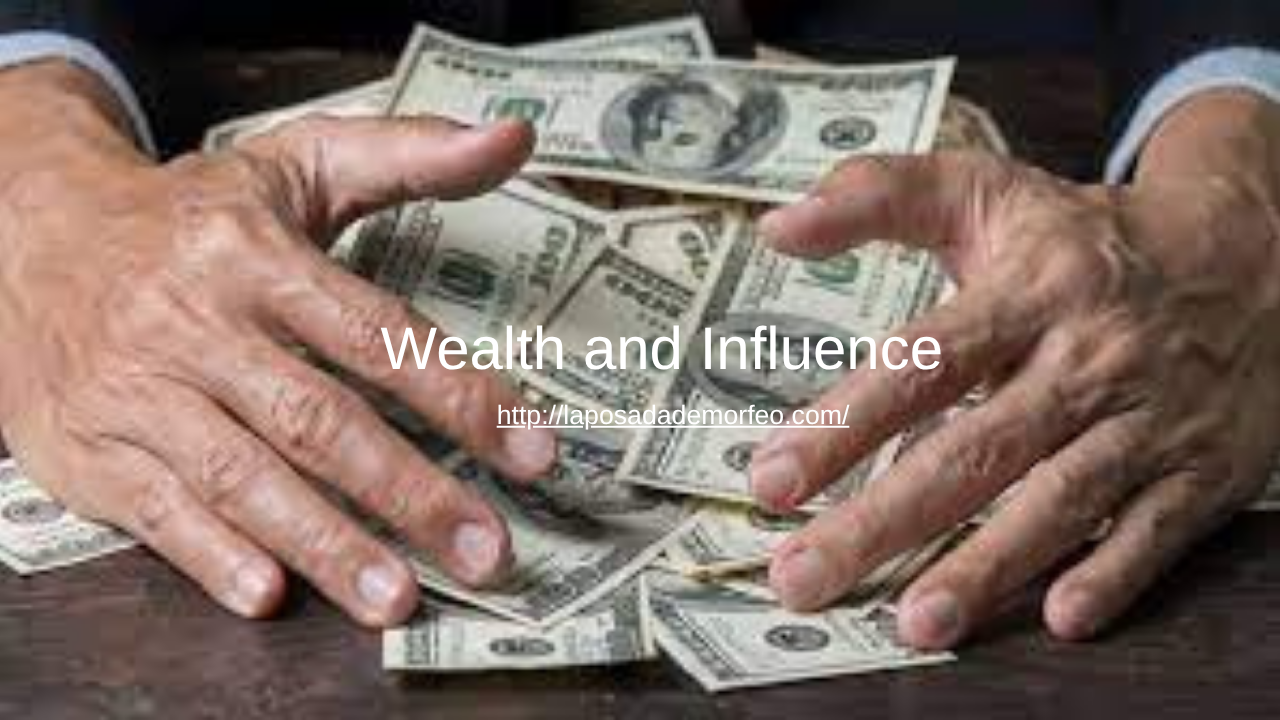
We often imagine the lives of the wealthy and high-profile as glamorous, filled with luxury, privilege, and endless opportunities. Yet beneath the polished image lies a reality that is rarely discussed. Addiction among the elite is a growing crisis, fueled by isolation, high-pressure lifestyles, and the constant demand to perform. For many in these positions, the very life they worked so hard to achieve becomes the source of their struggle.

The Hidden Struggles of High-Profile Lives

While financial resources can provide comfort, they cannot shield anyone from emotional pain, trauma, or the lure of unhealthy coping mechanisms. The elite often face unique pressures: maintaining a perfect public image, protecting their reputation, and managing the constant scrutiny of others. These factors can create an environment where substance use becomes a tempting escape.

At La Posada de Morfeo, we recognize that addiction does not discriminate. Wealth and status may change the circumstances, but the emotional toll of addiction is universal. Our goal is to offer a safe, discreet, and compassionate space where clients can begin the journey toward healing.

How Isolation Fuels Addiction

Many high-profile individuals find it difficult to form authentic, trusting relationships. Surrounded by people who may have hidden agendas, they often feel alone in crowded rooms. This emotional isolation can lead to a deep sense of emptiness, even when material needs are met.

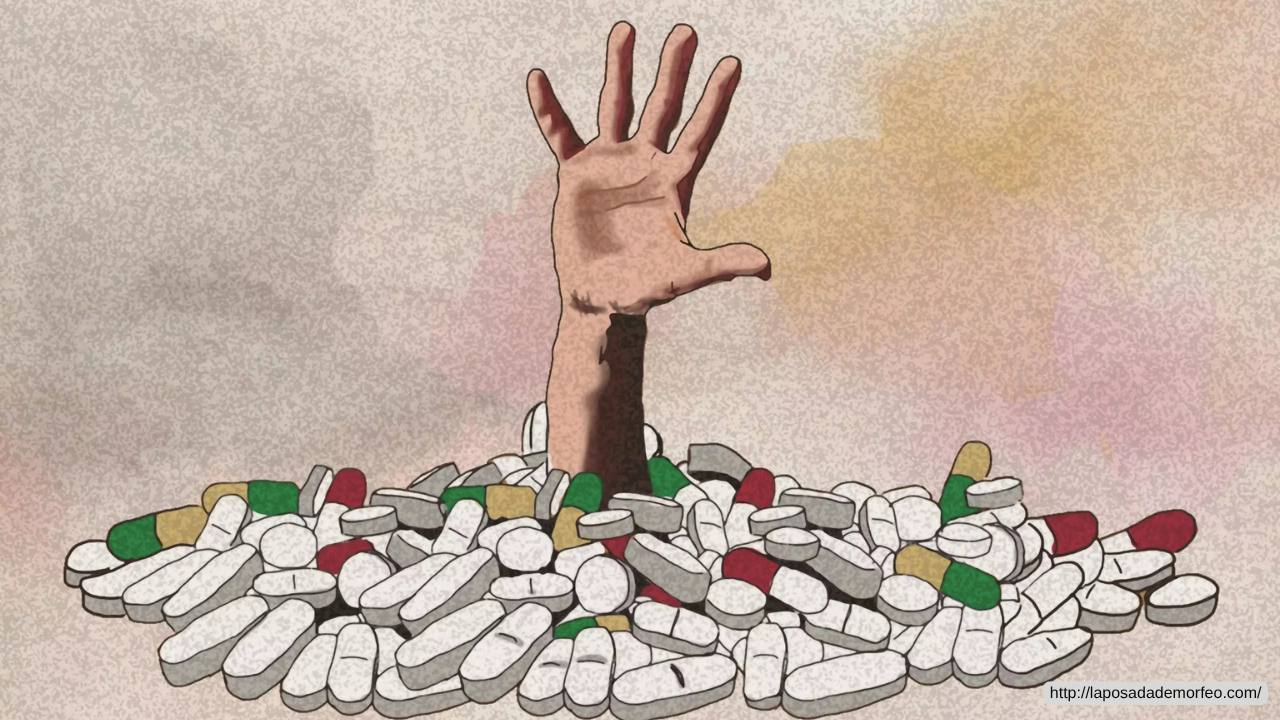
Alcohol or drugs may seem to fill that void temporarily, but over time they deepen the feelings of loneliness and loss of control. Without intervention, the cycle becomes self-destructive. Our individualized programs address not only the substance use itself but also the root causes that fuel it.

A Holistic and Faith-Based Approach to Recovery

At La Posada de Morfeo, we believe recovery is not just about stopping substance use. True healing involves the mind, body, and spirit. Our holistic treatment programs combine medical care, mental health therapy, and spiritual guidance, tailored to each client’s needs.

For some, faith becomes a cornerstone of recovery, offering hope and a renewed sense of purpose. For others, mindfulness practices, art therapy, or wellness activities help reconnect them to their authentic selves. Whether through inpatient care for focused, immersive healing or outpatient services for flexible support, we ensure every plan is as unique as the individual.

Moving Beyond the Image

Breaking free from addiction requires the courage to be vulnerable. It means letting go of the constant need to appear perfect and instead embracing authenticity. Our professional team works alongside clients to help them rebuild their lives, not as the public expects them to be, but as they truly wish to live.

Take the First Step Toward Healing

Addiction in the world of the elite is often hidden, but it is no less real or devastating. If you or someone you love is caught in this struggle, know that help is available and recovery is possible. At La Posada de Morfeo, we are here to walk with you toward a healthier, more fulfilling life.

Contact us today to begin the journey out of the shadows and into lasting recovery.

Gilded Cages: The Lonely Reality of Luxury and Substance Abuse

Luxury is often seen as the ultimate prize—an enviable life of comfort, excess, and indulgence. From sprawling mansions and exotic vacations to designer wardrobes and VIP access, the world of wealth promises freedom. But behind the polished surfaces and red carpet appearances lies a harsher truth: luxury, when paired with isolation and pressure, can become a gilded cage—one where substance abuse silently thrives.

The Myth of Happiness Through Wealth

Society has long promoted the belief that money can buy happiness, or at the very least, ease suffering. While wealth can provide comfort, it cannot fix emotional pain, trauma, or loneliness. In fact, for many living in luxury, these deeper issues are often overlooked, masked by material success.

The world rarely sees the silent suffering of those who “have it all.” People in high-profile or wealthy lifestyles are often expected to appear happy, grateful, and perfect. That expectation becomes its own prison—one where vulnerability is taboo and admitting emotional struggle is seen as weakness.

Isolation at the Top

Wealth often creates distance. As financial status rises, authentic relationships can become harder to maintain. Friends may envy or exploit, and strangers may have hidden agendas. The result is a life lived in curated circles, where trust is rare and connection is superficial.

This isolation is fertile ground for substance abuse. Without genuine emotional support, many turn to drugs or alcohol to fill the void. These substances become companions—numbing agents for pain that cannot be expressed, even in the most lavish of settings.

When the Party Never Ends

In high-society circles, indulgence is normalized. Expensive wines flow freely, prescription pills are shared like candy, and private parties offer an escape from reality. The culture often glamorizes excess, encouraging a “work hard, play harder” mentality that blurs the line between celebration and dependence.

What begins as recreational use can quickly spiral. The more insulated the individual, the fewer the consequences—at least at first. Wealth can delay the impact of addiction, hiding it behind closed doors and paid-off problems. But eventually, the emotional cost surfaces, no matter how well it’s concealed.

Breaking the Silence

One of the most difficult steps for those living in this so-called paradise is admitting there’s a problem. The shame of struggling despite immense privilege creates a barrier to asking for help. Many fear judgment or ridicule—“How can someone with everything be unhappy?”—and this judgment prevents healing.

But addiction doesn’t discriminate. It affects the wealthy and the working class alike. What’s needed is compassion, not comparison, and the recognition that emotional pain is not less valid because it’s experienced in a penthouse rather than a shelter.

The Road to Recovery

True healing begins when the mask of perfection is dropped. Recovery is possible—but it requires honesty, support, and a willingness to escape the trap of appearance. For those in gilded cages, breaking free means choosing authenticity over image and connection over isolation.

Behind the Velvet Rope: How Wealth and Isolation Fuel Addiction

The image of success often comes wrapped in luxury—exclusive parties, private jets, and lives lived behind velvet ropes. To the outside world, the wealthy and high-profile seem to have it all: money, freedom, and influence. But behind this glamorous facade often lies a silent struggle. Wealth and social status can create an environment where isolation and emotional emptiness fuel addiction, making substance abuse a hidden epidemic among the elite.

The Illusion of Control

For those with wealth and privilege, there’s a perception of control. Money can buy comfort, eliminate everyday struggles, and open doors to once-inaccessible experiences. However, it can also create an illusion of invincibility. High-profile individuals often believe they can manage their problems independently, including their use of drugs or alcohol. But addiction doesn’t discriminate—it thrives in secrecy and denial, regardless of bank account size.

The Trap of Isolation

Wealth often isolates more than it connects. Living in exclusive neighborhoods, traveling privately, and maintaining curated social circles can lead to emotional disconnection. Genuine friendships become rare when people are unsure whether they’re valued for who they are or for what they have. This kind of loneliness is profound and difficult to escape.

With fewer trusted confidants, high-profile individuals often turn inward, hiding their emotional pain behind luxury. Substances become an easy escape—accessible, discreet, and socially normalized in elite environments. Over time, what starts as recreational use can evolve into addiction, hidden behind the glittering surface of wealth.

A Culture of Excess

High-net-worth lifestyles often encourage excess. In many elite circles, indulgence is not just accepted—it’s expected. Lavish parties, bottomless champagne, and discreet drug use can become part of the social fabric. For those already battling emotional struggles, this culture of excess creates a dangerous playground for addiction to take root.

Furthermore, the wealthy rarely face immediate consequences for their substance use. With the ability to hire private doctors, pay legal fees, and maintain outward appearances, addiction often goes unchecked longer than it would for the average person. This makes the eventual crash even more devastating.

The Stigma of Vulnerability

Admitting to addiction is difficult for anyone, but for public figures or the wealthy, it can feel like a betrayal of their brand. They are expected to have everything under control. Vulnerability is often perceived as weakness, especially in industries that demand perfection and constant performance. This stigma keeps many from seeking help until their situation becomes a crisis.

The Path to Recovery

Healing requires breaking the cycle of isolation and excess. Therapy, rehab, and the support of trusted, non-transactional relationships are crucial. Many find that true recovery means redefining success—not in terms of wealth or status, but in terms of inner peace, authenticity, and connection.

Conclusion

Behind the velvet rope, addiction is a quiet but powerful force. The combination of wealth, isolation, and social expectations can lead to substance abuse that’s hidden behind luxury. Recognizing this reality is the first step toward compassion and change—because addiction doesn’t care about status, and neither should recovery.

Breaking Free from the Persona: Healing from Addiction in the Public Eye

Living in the public eye often means living behind a mask. Celebrities, influencers, athletes, and other high-profile individuals are expected to project confidence, charm, and control at all times. Yet beneath the polished image, many struggle with personal demons—addiction being one of the most common and most stigmatized. Healing from addiction is a deeply personal journey, but for those in the spotlight, it becomes a public performance as well. Breaking free from the persona is not only difficult—it’s courageous.

The Mask of Perfection

In the world of fame and influence, image is everything. Public figures often create and maintain personas that meet societal expectations: successful, unshakable, happy. This image is carefully curated, whether through interviews, social media, or red carpet appearances. But addiction thrives in secrecy, and the more a person hides their pain behind a mask, the more it grows.

The pressure to maintain a flawless facade can lead to denial, shame, and isolation. Admitting to addiction can feel like admitting failure—especially in a world that confuses vulnerability with weakness. For many, the fear of tarnishing their brand or losing fans keeps them from seeking help early on.

The Turning Point

Recovery often begins at a breaking point—a public incident, a failed relationship, a health scare, or a moment of painful self-realization. For public figures, this turning point is rarely private. Their struggles are often exposed in headlines, gossip columns, or viral videos. While public exposure can be humiliating, it can also serve as a powerful catalyst for change.

Some use this exposure as an opportunity to be honest, not just with others but with themselves. In confronting their truth openly, they take the first bold step toward healing: dropping the persona and embracing authenticity.

The Power of Vulnerability

While recovery in the public eye is difficult, it also has the power to inspire. When high-profile individuals speak out about their addiction and journey to sobriety, they challenge stigma and offer hope to others silently struggling. Vulnerability becomes a strength, not a liability.

By sharing their experiences, public figures not only reclaim their own narratives but also normalize conversations around mental health and addiction. In doing so, they contribute to a broader cultural shift—one that values honesty and healing over perfection.

Building a New Identity

True recovery involves more than sobriety; it requires rebuilding a sense of self that isn’t tied to fame or public image. This means forming genuine relationships, setting boundaries, and finding purpose beyond the applause. Some step back from the spotlight, others use their platform for advocacy—but all must redefine what success and fulfillment mean on their own terms.

Conclusion

Breaking free from the persona is one of the hardest yet most liberating steps a public figure can take. Addiction does not discriminate, and neither should compassion. By shedding the mask and choosing recovery, those in the public eye remind us all that healing is possible—and that authenticity is far more powerful than perfection.

When Success Becomes the Trigger: The Double-Edged Sword of Fame

Success is often seen as the ultimate goal—a destination promising fulfillment, financial freedom, and admiration. Yet for many who reach the highest levels of fame, success doesn’t bring peace; instead, it becomes the very thing that triggers a silent, internal unraveling. The same spotlight that illuminates their achievements also casts harsh shadows, revealing the emotional cost of living life in the public eye.

The Unexpected Weight of Achievement

For most, success is something to be celebrated. But for those who live in the limelight, it can be surprisingly destabilizing. The sudden shift from anonymity to public scrutiny, or the pressure to maintain a peak once it’s been reached, often leads to anxiety, fear of failure, and intense self-doubt. Success, rather than bringing relief, ushers in a new wave of expectations—ones that can be crushing.

Many high-profile individuals find themselves haunted by the question: “What now?” When so much of life has been focused on achieving a specific goal, reaching it can create a vacuum. The thrill of accomplishment fades quickly, and what remains is the fear of losing relevance. In this vulnerable space, fame begins to feel more like a trap than a triumph.

The Illusion of Control

One of the cruel ironies of fame is the illusion of control it offers. On the outside, celebrities and other public figures appear to have power over their image, their wealth, and their future. But in reality, much of their life is governed by outside forces—agents, fans, media narratives, and shifting public opinions.

This lack of true control can breed deep insecurity. The effort to maintain a flawless persona can be emotionally exhausting. Some turn to substances to numb the pressure, manage anxiety, or cope with the relentless demand to stay “on.” What starts as a coping mechanism can quickly evolve into a dangerous dependency.

Success as a Shield and a Burden

Many public figures use their success as a shield, hiding behind their accomplishments to avoid confronting unresolved trauma, depression, or feelings of unworthiness. But fame doesn’t erase pain—it often amplifies it. The disconnection between the glamorous image and the inner reality creates emotional dissonance, deepening the feeling of isolation.

Moreover, the fear of tarnishing one’s public image keeps many from seeking help. Vulnerability is often mistaken for weakness, and the stigma surrounding mental health and addiction remains strong—especially in elite circles.

Toward Authenticity and Healing

Fortunately, a cultural shift is underway. More high-profile individuals are speaking candidly about the emotional toll of fame and the personal struggles that accompany success. This growing openness is helping to dismantle the myth that success equals happiness.

Healing begins with authenticity—reconnecting with one’s true self beneath the layers of public identity. It also requires the courage to seek support, even when the world expects perfection.

Conclusion

When success becomes the trigger rather than the cure, it reveals the complex, often painful reality of life in the spotlight. Fame can be both a blessing and a burden, offering applause on one side and anxiety on the other. True fulfillment doesn’t come from staying at the top—it comes from staying grounded, connected, and honest about the cost of getting there.

Addicted to Applause: How Public Figures Cope with Private Struggles

Fame, for many, is the ultimate validation—a spotlight that reflects achievement, admiration, and power. But behind the curtain of applause and adoration, public figures often wrestle with profound personal struggles. The addiction to applause, both literal and metaphorical, can become a double-edged sword, fueling both success and self-destruction.

The High of Public Validation

The rush of public approval is powerful. Applause, social media likes, fan interactions, and praise from the industry can offer a high that’s both emotional and addictive. It reinforces self-worth, making public figures feel seen, valued, and important. Over time, this feedback loop becomes essential—not just appreciated, but needed. The more they receive, the more they crave.

But what happens when the applause fades? When the accolades slow down or the attention shifts elsewhere, the absence can feel like withdrawal. Without validation, feelings of emptiness, self-doubt, or irrelevance can creep in. To fill this void, some turn to substances, unhealthy relationships, or erratic behavior in an effort to recapture that emotional high.

Living Behind the Mask

Public figures are often expected to be flawless. Whether they’re actors, musicians, athletes, or influencers, the pressure to maintain a polished, idealized image is relentless. Admitting to personal struggles—be it anxiety, depression, or addiction—is perceived as weakness in a world that demands strength and perfection.

As a result, many suffer in silence. They learn to compartmentalize their lives, smiling for cameras while battling internal storms. The need to always “perform,” even offstage or off-camera, is emotionally exhausting and can deepen feelings of isolation. With no safe space to express vulnerability, coping mechanisms often turn destructive.

The Role of Enablers and Isolation

Fame attracts not just fans but also enablers—people who are more interested in proximity to power than in offering real support. These individuals may overlook warning signs, encourage self-destructive behavior, or avoid challenging the public figure’s choices for fear of being cut off. As genuine connections become rare, loneliness grows.

Isolation is common in high-profile lives. Surrounded by people, yet emotionally alone, many public figures spiral into substance abuse or other harmful habits. They feel the pressure to always appear “on,” even when they’re falling apart behind the scenes.

Breaking the Silence

Thankfully, the narrative is beginning to shift. More public figures are speaking out about their mental health battles and experiences with addiction. From high-profile interviews to social media confessions, celebrities are starting to use their platforms to normalize vulnerability.

Acknowledging the addiction to applause—and the damage it can cause—is a crucial step toward healing. Therapy, support groups, mindfulness practices, and stepping away from the limelight are among the strategies some have used to rebuild their mental health and reclaim their lives.

Conclusion

Being in the spotlight doesn’t make one immune to pain—in fact, it often magnifies it. While public figures may seem to have it all, the addiction to applause and the burden of perfection can lead to deep private struggles. The path to healing begins with honesty, support, and the realization that worth isn’t measured by noise from the crowd, but by inner peace and self-acceptance.

Chasing the High: When Status and Substance Abuse Collide

In the pursuit of power, recognition, and status, many high-profile individuals find themselves entangled in a darker pursuit: the chase for an emotional or chemical high that mirrors the thrill of success. When status becomes the defining feature of a person’s identity, substance abuse often creeps in as both an escape and a supplement to the emotional extremes that come with a high-achieving lifestyle. This intersection of ambition and addiction is not only common—it’s dangerous.

The Allure of Success, the Void of Fulfillment

From the outside, success looks like the solution to life’s problems. Fame, money, influence, and adoration are assumed to bring happiness. But for many at the top, these rewards do not fill the emotional void they hoped would disappear. Instead, once they’ve “made it,” a new crisis emerges: what now? The emotional high of reaching a long-desired goal fades quickly, and with it comes restlessness, dissatisfaction, or even depression.

To fill that gap, some chase another type of high—one that comes in the form of drugs, alcohol, or risky behaviors. The rush of using substances can simulate the thrill of achievement, albeit temporarily, leading to a cycle of dependency where the individual constantly seeks the next fix, both in career and in chemical form.

The Pressure to Stay on Top

In high-stakes careers, status isn’t just earned—it has to be defended constantly. The fear of falling from grace or becoming irrelevant pushes individuals to their limits. In this nonstop race to remain successful, many neglect their mental and physical health. Substances may become a way to stay awake longer, work harder, relax faster, or escape stress altogether. What starts as a performance enhancer or a stress-reliever can quickly become a crutch.

The problem is exacerbated by enablers—people who benefit from keeping the status quo, even if it includes self-destructive behaviors. Whether it’s an assistant who turns a blind eye or a friend who supplies drugs at parties, the elite often find themselves surrounded by people who encourage, rather than confront, their substance use.

Image Over Integrity

Public figures are under immense pressure to maintain a curated image. Admitting vulnerability, especially around addiction, can be seen as a threat to their brand. The fear of stigma or public backlash prevents many from seeking help. Instead, they mask their pain with more substance use, hiding their struggles behind designer clothes, red carpet smiles, and polished interviews.

The deeper the addiction becomes, the harder it is to break free—especially when so much of one’s identity is wrapped up in appearing perfect. The shame of struggling with addiction, paired with the fear of judgment, keeps many locked in a dangerous cycle.

Breaking the Pattern

True healing begins with the courage to prioritize health over status. More and more high-profile individuals are speaking openly about their battles with addiction, helping to destigmatize the issue. Recovery is not a sign of weakness, but of strength—a recognition that chasing the high will never compare to finding peace within.

Conclusion

When status and substance abuse collide, the results can be devastating. The illusion of success often masks deep emotional pain, and in the pursuit of external highs, many lose themselves. It’s time to recognize that real success is not measured by public acclaim, but by inner stability, genuine connection, and the freedom to live authentically—without the need for a chemical high.

Pressure, Perfection, and Pain: The Addiction Epidemic Among the Elite

In the world of high-status careers, fame, wealth, and success often seem to be the ultimate goal. Celebrities, business moguls, athletes, and political figures are frequently celebrated for their achievements, often becoming the epitome of accomplishment. However, the reality behind their public personas is far more complex and fraught with struggles that many are hesitant to reveal. Addiction, which thrives in environments defined by extreme pressure and expectations, has become a silent epidemic among the elite.

The Weight of Expectations

The most noticeable characteristic of high-profile careers is the immense pressure to succeed. For the elite, every achievement is expected to be followed by an even greater one. There is little room for failure, and when mistakes occur, they are often magnified under the harsh gaze of the public. This constant need to perform and exceed expectations creates not only physical but also mental strain. Anxiety, stress, and feelings of inadequacy are common, and rather than seek help or respite, many individuals turn to substances to cope with the overwhelming demands of their lives.

Perfection as a Double-Edged Sword

The pursuit of perfection is a hallmark of success. In industries like entertainment, business, and sports, achieving an idealized image is often what defines success. Yet, the quest for perfection can quickly turn toxic. High-profile individuals are constantly striving to maintain flawless appearances, whether it’s in their professional achievements, their relationships, or their public image. However, this pressure to be perfect at all times can lead to burnout. As these individuals fail to meet their own impossibly high standards, they may experience profound feelings of inadequacy, self-doubt, and frustration. For many, these feelings trigger destructive coping mechanisms like substance abuse, which provide temporary relief from the internal turmoil caused by the relentless pursuit of perfection.

The Hidden Pain of Success

While fame and wealth are often seen as the ultimate reward for hard work, they come with significant emotional costs. The world of the elite is one of intense isolation, where relationships are strained by the demands of work and the fear of vulnerability. The constant scrutiny of the media, the pressure to maintain an idealized image, and the lack of privacy contribute to a sense of loneliness. Despite being surrounded by fans, colleagues, and admirers, many of these high-profile individuals feel emotionally disconnected, which can lead to a sense of emptiness. This emotional void often drives them to seek solace in substances, numbing their pain in an attempt to fill the gap left by their inability to form deep, authentic connections.

Addiction as a Coping Mechanism

For many in the public eye, addiction begins as a way to cope with the stresses of their professional lives. Long hours, demanding expectations, and the constant pressure to perform can leave individuals mentally and physically drained. Some turn to stimulants to keep up, while others seek relief in alcohol or drugs. The availability of substances is often a contributing factor, as many in high-profile careers have access to resources that the average person does not. Over time, however, this coping mechanism can spiral into dependency, taking a devastating toll on their health, relationships, and careers.

Breaking Free from the Cycle

Recovery from addiction in the elite world is not easy, especially given the stigma surrounding it. However, many public figures have found redemption through therapy, rehab, and a renewed focus on mental health. Overcoming addiction requires confronting the deep-seated pressures that fuel it, and learning to prioritize well-being over the demands of external validation.

Conclusion

The addiction epidemic among the elite is a direct result of the pressure, perfection, and emotional pain that come with high-profile lives. While fame and success may appear to be the ultimate rewards, they often mask the intense psychological and emotional struggles faced by those who live in the spotlight. Breaking free from addiction requires acknowledging the true cost of success and seeking support for the mental health challenges that are often overlooked in the pursuit of perfection.

From Fame to Fallout: The Dark Side of a High-Profile Life

Fame is often viewed as the pinnacle of success—a life filled with wealth, admiration, and endless opportunities. But for many who have reached the top, the reality is far from the dream. Beneath the surface of applause and accolades lies a hidden world of stress, isolation, and vulnerability. For some, the journey from fame to fallout is marked by personal struggles, public breakdowns, and battles with addiction.

The Illusion of Glamour

High-profile lives are wrapped in a glossy veneer. Red carpet appearances, luxurious vacations, and designer wardrobes are the norm. However, this glamour often serves as a mask, concealing internal battles and emotional pain. The pressure to maintain a perfect image can become overwhelming, especially when every move is watched and judged by millions. Fame can create a reality where authenticity is sacrificed for the sake of reputation.

The Cost of Constant Attention

Living in the spotlight means having little to no privacy. Celebrities and public figures are under constant surveillance by the media and the public. Every mistake is magnified, every misstep turned into a scandal. This unrelenting scrutiny can lead to intense stress and anxiety, causing many to feel trapped in their own lives. The fear of public humiliation can push individuals to hide their pain rather than seek help.

The Fall into Addiction

The emotional strain of fame can lead to unhealthy coping mechanisms. Drugs and alcohol become tools to numb pain, ease anxiety, and escape reality. With access to nearly anything they want, many high-profile individuals find themselves slipping into addiction without immediate consequences. Over time, what started as occasional use spirals into dependency, affecting their health, relationships, and careers.

The Role of Enablers and Isolation

Fame often attracts people who are more interested in proximity to power than genuine friendship. These enablers may support destructive behaviors or turn a blind eye to addiction in fear of losing their access or status. Genuine relationships become rare, and isolation grows. Loneliness, combined with constant pressure and superficial relationships, can deepen emotional wounds, making recovery even harder.

The Public Breakdown

When the private struggles of a public figure become public knowledge, it often results in a very visible and painful fall from grace. Rehab stints, arrests, or erratic behavior are broadcasted to the world, turning personal crises into tabloid fodder. The stigma attached to mental health and addiction only worsens the fallout, making it difficult for individuals to rebuild both their lives and their public image.

Recovery and Redemption

While the fall from fame can be devastating, recovery is possible. Many who have experienced the dark side of fame eventually find strength in vulnerability. By speaking openly about their struggles, they help destigmatize addiction and mental health issues. Redemption comes not from reclaiming fame, but from rediscovering peace, purpose, and personal truth.

Conclusion

The journey from fame to fallout reveals the high cost of living in the spotlight. Behind the allure of celebrity status is a world fraught with emotional challenges and hidden battles. True fulfillment comes not from external validation but from inner healing, authenticity, and the courage to confront one’s struggles head-on.

Luxury & Loneliness: Why High-Profile Lives Lead to Addiction

To the outside world, a high-profile life is the epitome of success. Celebrities, business moguls, and influencers are often envied for their wealth, fame, and luxurious lifestyles. Yet, beneath the glamour lies an unsettling reality: loneliness, pressure, and a growing susceptibility to addiction. The paradox of having everything yet feeling emotionally empty is a significant contributor to substance abuse among those in the spotlight.

The Isolation Behind Success

Success often comes at the cost of true personal connections. High-profile individuals live in a world where trust is fragile, and relationships can feel transactional. Constantly surrounded by fans, business associates, or employees, they may struggle to find genuine companionship. The inability to form meaningful relationships creates an emotional void, leading many to seek solace in drugs, alcohol, or other addictive behaviors.

The Pressure to Maintain an Image

For public figures, maintaining a flawless image is not just a desire but a necessity. They must uphold a persona of confidence, happiness, and success—regardless of their personal struggles. Social media magnifies this pressure, creating a reality where vulnerability is frowned upon. Rather than admitting to stress, anxiety, or depression, many turn to substances as an escape from the overwhelming burden of expectations.

Unchecked Access to Substances

Unlike the average person, those in high-profile positions have unlimited access to drugs, alcohol, and enablers who facilitate their habits. Lavish parties, exclusive events, and industry connections provide an environment where substance use is not only normalized but encouraged. With wealth comes the ability to sustain addiction without facing immediate financial consequences, making it easier to fall into destructive patterns.

The Lack of Privacy and Constant Scrutiny

The constant presence of paparazzi, media, and public judgment adds another layer of stress to high-profile lives. Any personal struggle, rehab visit, or relapse is publicized and often sensationalized. The fear of being judged or labeled weak prevents many from seeking help. Instead, they continue their substance use in secret, deepening the cycle of addiction.

The Psychological Toll of Success

While many aspire to wealth and fame, few consider the mental and emotional burdens that come with it. The fear of losing status, the need for continuous reinvention, and the expectation to be a role model take a toll on mental health. Anxiety, depression, and imposter syndrome are common among high achievers, making substance use a tempting escape from emotional distress.

Finding a Way Out

Breaking free from addiction requires acknowledging the emotional void that fuels it. Therapy, strong support systems, and lifestyle changes are essential steps toward recovery. Some high-profile individuals have found healing through mindfulness, charitable work, and open discussions about mental health. Recognizing that luxury does not equate to happiness is the first step toward a more balanced, addiction-free life.

Conclusion

Luxury and loneliness often go hand in hand, making addiction a prevalent struggle in high-profile circles. While fame and wealth provide comfort, they do not fulfill emotional needs. True well-being comes from authenticity, meaningful relationships, and prioritizing mental health over public perception. Breaking the cycle of addiction requires courage, support, and the understanding that success should never come at the cost of self-destruction.