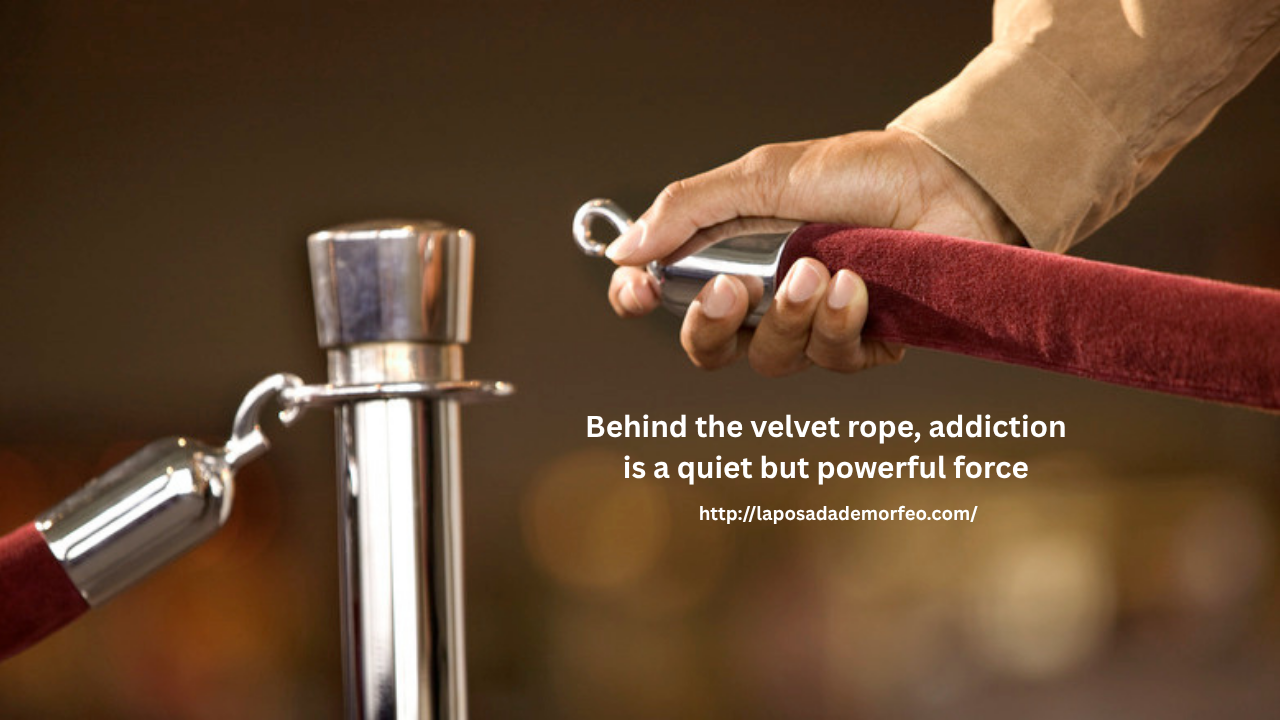
The image of success often comes wrapped in luxury—exclusive parties, private jets, and lives lived behind velvet ropes. To the outside world, the wealthy and high-profile seem to have it all: money, freedom, and influence. But behind this glamorous facade often lies a silent struggle. Wealth and social status can create an environment where isolation and emotional emptiness fuel addiction, making substance abuse a hidden epidemic among the elite.
The Illusion of Control
For those with wealth and privilege, there’s a perception of control. Money can buy comfort, eliminate everyday struggles, and open doors to once-inaccessible experiences. However, it can also create an illusion of invincibility. High-profile individuals often believe they can manage their problems independently, including their use of drugs or alcohol. But addiction doesn’t discriminate—it thrives in secrecy and denial, regardless of bank account size.
The Trap of Isolation
Wealth often isolates more than it connects. Living in exclusive neighborhoods, traveling privately, and maintaining curated social circles can lead to emotional disconnection. Genuine friendships become rare when people are unsure whether they’re valued for who they are or for what they have. This kind of loneliness is profound and difficult to escape.
With fewer trusted confidants, high-profile individuals often turn inward, hiding their emotional pain behind luxury. Substances become an easy escape—accessible, discreet, and socially normalized in elite environments. Over time, what starts as recreational use can evolve into addiction, hidden behind the glittering surface of wealth.
A Culture of Excess
High-net-worth lifestyles often encourage excess. In many elite circles, indulgence is not just accepted—it’s expected. Lavish parties, bottomless champagne, and discreet drug use can become part of the social fabric. For those already battling emotional struggles, this culture of excess creates a dangerous playground for addiction to take root.
Furthermore, the wealthy rarely face immediate consequences for their substance use. With the ability to hire private doctors, pay legal fees, and maintain outward appearances, addiction often goes unchecked longer than it would for the average person. This makes the eventual crash even more devastating.
The Stigma of Vulnerability
Admitting to addiction is difficult for anyone, but for public figures or the wealthy, it can feel like a betrayal of their brand. They are expected to have everything under control. Vulnerability is often perceived as weakness, especially in industries that demand perfection and constant performance. This stigma keeps many from seeking help until their situation becomes a crisis.
The Path to Recovery
Healing requires breaking the cycle of isolation and excess. Therapy, rehab, and the support of trusted, non-transactional relationships are crucial. Many find that true recovery means redefining success—not in terms of wealth or status, but in terms of inner peace, authenticity, and connection.
Conclusion
Behind the velvet rope, addiction is a quiet but powerful force. The combination of wealth, isolation, and social expectations can lead to substance abuse that’s hidden behind luxury. Recognizing this reality is the first step toward compassion and change—because addiction doesn’t care about status, and neither should recovery.